Can I make good coffee while camping? Absolutely! With the right camping coffee gear and methods, you can enjoy a delicious cup of coffee even when brewing coffee without electricity in the great outdoors. This guide explores various camping coffee brewing methods, outdoor coffee makers, portable coffee solutions, and camping coffee tips to help you master making coffee outdoors. Whether you’re backpacking or car camping, discover the best camping coffee setups and campfire coffee recipes for your next adventure.
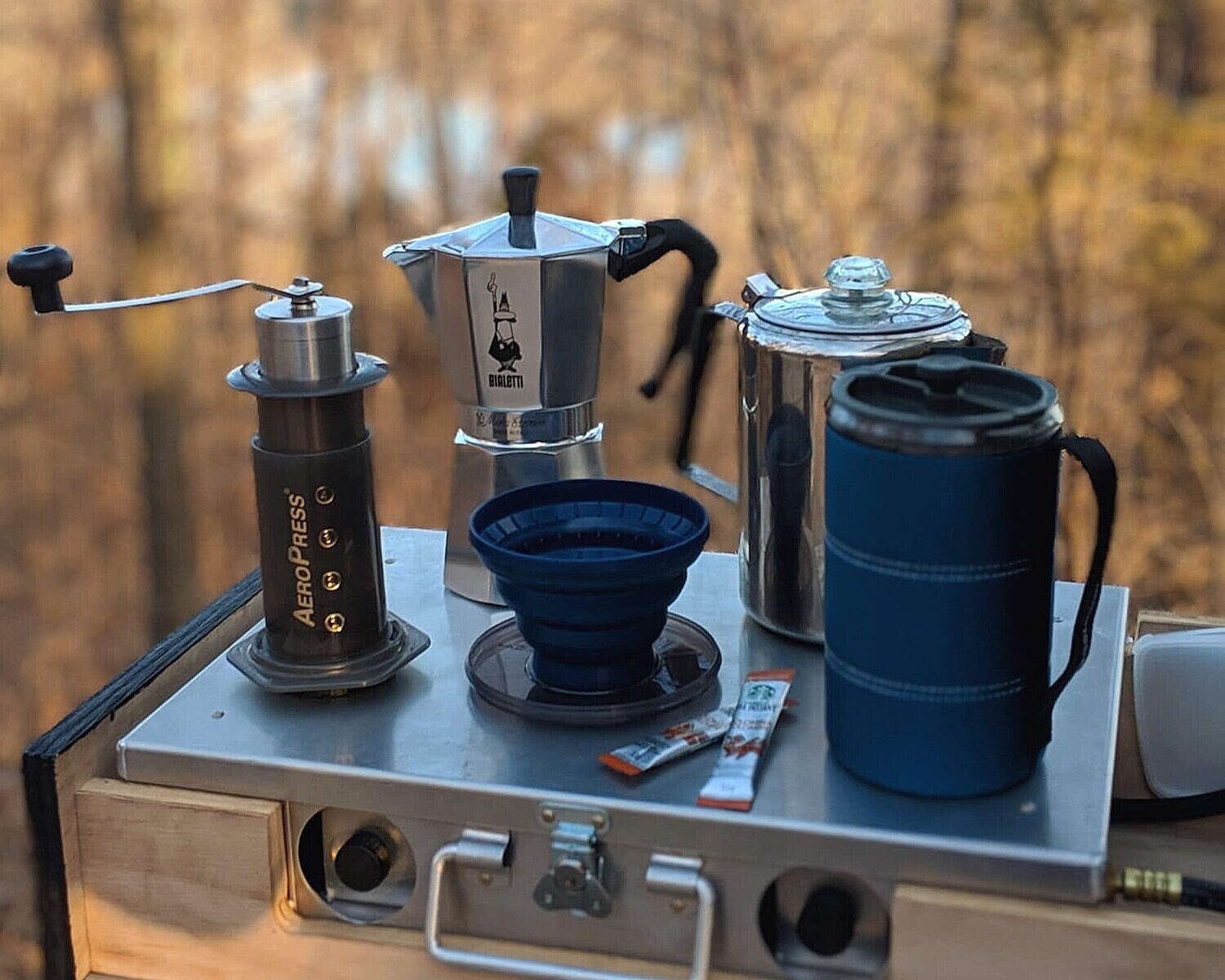
Image Source: images.squarespace-cdn.com
Why Bother with Great Coffee While Camping?
Let’s face it: camping is all about disconnecting from the everyday and reconnecting with nature. But that doesn’t mean sacrificing the simple pleasures, and for many, coffee is non-negotiable. A great cup of coffee can:
- Boost energy levels after a long night or a challenging hike.
- Provide warmth and comfort on chilly mornings.
- Enhance the overall camping experience, making it feel more luxurious.
- Offer a moment of peace and quiet amidst the wilderness.
Choosing Your Camping Coffee Brewing Method
There are numerous ways to brew coffee while camping, each with its pros and cons. Selecting the best camping coffee method depends on your priorities: convenience, weight, taste, and budget. Here’s a look at some popular options:
1. The French Press
The French press is a classic choice for rich, full-bodied coffee.
- How it works: Coarsely ground coffee is steeped in hot water, then the grounds are pressed to the bottom.
- Pros: Excellent flavor, no paper filters needed.
- Cons: Can be bulky, requires careful cleaning, potential for sediment in the coffee.
Table: French Press for Camping
| Feature | Description |
|---|---|
| Grind Size | Coarse |
| Water Ratio | About 1 tablespoon of ground coffee per 4 ounces of water (adjust to taste) |
| Brew Time | 4 minutes |
| Cleanup | Can be messy; requires disposing of wet coffee grounds. |
| Portability | Can be bulky, consider a smaller, camping-specific French press. |
| Coffee Quality | Excellent, rich flavor. |
2. Pour-Over
Pour-over coffee is a favorite for its clean taste and manual control.
- How it works: Hot water is slowly poured over coffee grounds in a filter-lined cone.
- Pros: Clean, flavorful coffee, relatively lightweight.
- Cons: Requires a steady hand, paper filters, slower brewing process.
Table: Pour-Over for Camping
| Feature | Description |
|---|---|
| Grind Size | Medium-fine |
| Water Ratio | About 1 tablespoon of ground coffee per 6 ounces of water (adjust to taste) |
| Brew Time | 2-3 minutes |
| Cleanup | Easy; discard the filter. |
| Portability | Lightweight; collapsible drippers are available. |
| Coffee Quality | Clean, bright flavor. |
3. Percolator
A percolator is a traditional campfire coffee maker.
- How it works: Water is heated in the base, rises through a tube, and filters through the coffee grounds repeatedly.
- Pros: Makes a large batch, durable, classic camping feel.
- Cons: Can over-extract the coffee, producing a bitter taste if not monitored.
Table: Percolator for Camping
| Feature | Description |
|---|---|
| Grind Size | Coarse |
| Water Ratio | Follow the percolator’s instructions; typically about 1 tablespoon of coffee per cup. |
| Brew Time | Varies, but typically 6-8 minutes after the water boils. |
| Cleanup | Can be a bit messy; requires cleaning the percolator. |
| Portability | Can be bulky; choose a smaller percolator for backpacking. |
| Coffee Quality | Can be bitter if over-extracted; requires careful monitoring. |
4. AeroPress
The AeroPress is a versatile option known for its smooth, concentrated coffee.
- How it works: Coffee grounds are steeped in hot water, then forced through a filter using pressure.
- Pros: Compact, durable, produces smooth, low-acid coffee.
- Cons: Requires some technique, limited to single servings at a time.
Table: AeroPress for Camping
| Feature | Description |
|---|---|
| Grind Size | Fine to medium-fine |
| Water Ratio | Follow the AeroPress instructions; typically a 1:1 or 1:2 coffee-to-water ratio. |
| Brew Time | About 1 minute |
| Cleanup | Easy; the “puck” of coffee grounds is easily ejected. |
| Portability | Compact and lightweight. |
| Coffee Quality | Smooth, concentrated, low-acid coffee. |
5. Instant Coffee
Instant coffee is the ultimate in convenience.
- How it works: Just add hot water.
- Pros: Lightweight, easy to pack, no cleanup.
- Cons: Flavor can be lacking compared to other methods.
Table: Instant Coffee for Camping
| Feature | Description |
|---|---|
| Grind Size | N/A (already ground and processed) |
| Water Ratio | Follow package instructions; typically 1-2 teaspoons per cup. |
| Brew Time | Instant |
| Cleanup | Very easy; no cleanup required. |
| Portability | Extremely lightweight and compact. |
| Coffee Quality | Generally considered inferior to other brewing methods; taste varies by brand. |
6. Cowboy Coffee (Campfire Coffee)
Cowboy coffee is a rustic and simple method.
- How it works: Coffee grounds are added directly to a pot of boiling water, then allowed to settle.
- Pros: No special equipment needed, easy to make.
- Cons: Can be gritty, requires careful pouring to avoid grounds.
Table: Cowboy Coffee for Camping
| Feature | Description |
|---|---|
| Grind Size | Coarse |
| Water Ratio | About 1 tablespoon of ground coffee per 8 ounces of water (adjust to taste) |
| Brew Time | About 4 minutes after the water boils, then let the grounds settle for a few minutes. |
| Cleanup | Can be messy; requires disposing of wet coffee grounds. |
| Portability | Only requires a pot. |
| Coffee Quality | Can be gritty; requires careful brewing and pouring. |
7. Moka Pot
A Moka pot offers a stovetop espresso-like experience.
- How it works: Water in the lower chamber is heated and forced through coffee grounds in the middle chamber, resulting in a concentrated brew.
- Pros: Makes strong coffee, relatively compact.
- Cons: Requires a heat source, can be tricky to clean, potential for burnt coffee if not monitored.
Table: Moka Pot for Camping
| Feature | Description |
|---|---|
| Grind Size | Fine |
| Water Ratio | Follow the Moka pot’s instructions; typically uses the amount of water that fits in the lower chamber. |
| Brew Time | About 5-10 minutes |
| Cleanup | Requires disassembling and cleaning the pot. |
| Portability | Relatively compact. |
| Coffee Quality | Strong, concentrated coffee similar to espresso. |
Choosing the Right Grind Size
The correct grind size is crucial for optimal extraction and flavor. Here’s a general guideline:
- Coarse: French press, percolator, cowboy coffee
- Medium-coarse: Drip coffee maker
- Medium: Pour-over
- Fine: AeroPress, Moka pot
- Extra Fine: Turkish coffee
Camping Coffee Gear Essentials
Beyond the brewing method, you’ll need some basic camping coffee gear:
- Water: Bring plenty of fresh water for brewing and cleaning.
- Heat Source: Camp stove, campfire, or portable electric kettle (if you have access to power).
- Coffee Grinder (Optional): A manual grinder allows you to grind beans fresh.
- Kettle or Pot: For heating water.
- Mugs: Durable and insulated mugs are ideal.
- Spoon: For stirring.
- Cleaning Supplies: Biodegradable soap and a sponge.
- Storage Containers: For coffee beans or grounds.
- Filters: If using a pour-over or AeroPress.
Portable Coffee Solutions and Outdoor Coffee Maker Options
Several portable coffee solutions and outdoor coffee makers are designed specifically for camping:
- Jetboil Flash Java Kit: Combines a fast-boiling stove with a French press attachment.
- GSI Outdoors JavaPress: A lightweight and durable French press.
- Sea to Summit X-Brew Coffee Dripper: A collapsible pour-over dripper.
- Wacaco Nanopresso: A handheld espresso maker.
Coffee While Backpacking: Keeping it Lightweight
For backpacking, weight and space are paramount. Consider these lightweight options:
- Instant coffee: The lightest and most compact choice.
- AeroPress Go: A smaller, more portable version of the AeroPress.
- Pour-over with a collapsible dripper: Minimalist and lightweight.
- Coffee bags: Similar to tea bags, these are pre-portioned coffee grounds in a filter.
Tips for minimizing weight:
- Pre-grind your coffee beans before your trip.
- Use a titanium or lightweight aluminum kettle.
- Pack a spork to save weight on utensils.
- Choose a mug that can also be used for other meals.
Campfire Coffee Recipes: Adding a Touch of Adventure
Here are a few campfire coffee recipes to elevate your camping experience:
- Campfire Mocha: Add chocolate syrup and powdered milk to your coffee for a rich, decadent treat.
- Spiced Campfire Coffee: Add cinnamon, nutmeg, and cloves to your coffee grounds before brewing.
- Irish Campfire Coffee: Add a shot of Irish whiskey and a spoonful of brown sugar to your coffee.
Recipe: Campfire Mocha
-
Ingredients:
- 1 cup of brewed coffee
- 2 tablespoons chocolate syrup
- 2 tablespoons powdered milk
- Optional: Marshmallows or whipped cream
-
Instructions:
- Brew your coffee using your preferred method.
- Add chocolate syrup and powdered milk to your mug.
- Pour in the hot coffee and stir well.
- Top with marshmallows or whipped cream, if desired.
Camping Coffee Tips and Tricks
- Store your coffee properly: Keep coffee beans or grounds in an airtight container to preserve freshness.
- Use filtered water: This will improve the taste of your coffee.
- Heat water to the correct temperature: Ideally, around 200°F (93°C).
- Experiment with different brewing methods and coffee types: Find what you like best.
- Clean your equipment after each use: This will prevent buildup and ensure consistent flavor.
- Practice at home: Familiarize yourself with your chosen brewing method before heading out into the wilderness.
- Consider the environment: Pack out all trash, including coffee grounds and filters.
Troubleshooting Common Camping Coffee Problems
- Coffee is too weak: Use more coffee grounds or a finer grind.
- Coffee is too bitter: Use less coffee grounds, a coarser grind, or lower water temperature.
- Coffee is gritty: Let the grounds settle for longer before pouring.
- Can’t get the water hot enough: Use a camp stove with a high BTU output or build a larger campfire.
Fathoming Water Temperature for Best Coffee
Water temperature profoundly affects coffee extraction. Too cold, and you get weak, sour coffee. Too hot, and you get bitter, burnt flavors.
- Ideal Temperature: 195-205°F (90-96°C) is generally considered optimal.
- No Thermometer? Bring water to a boil and then let it sit for about 30 seconds before brewing.
- Altitude Adjustments: Water boils at lower temperatures at higher altitudes. You may need to adjust your brewing method and grind size.
Deciphering Clean Up After Brewing
Cleanup is an essential aspect of camping, and coffee brewing is no exception.
- Pack it in, pack it out: Carry out all coffee grounds and filters.
- Biodegradable Soap: Use environmentally friendly soap to clean your equipment.
- Designated Wash Basin: Have a separate basin for washing to keep waterways clean.
- Proper Disposal: Dispose of soapy water responsibly, away from streams and lakes.
FAQ: Frequently Asked Questions About Camping Coffee
Q: What is the best coffee to bring camping?
A: The best coffee for camping depends on your taste and brewing method. Whole beans that you grind fresh are ideal, but pre-ground coffee or instant coffee are more convenient options.
Q: Can I use regular coffee grounds in a French press?
A: Yes, but you should use coarsely ground coffee specifically for a French press to avoid sediment in your cup.
Q: How do I dispose of coffee grounds while camping?
A: Pack them out in a sealed bag or bury them at least 6-8 inches deep and 200 feet away from water sources.
Q: Is it safe to boil coffee in a pot over a campfire?
A: Yes, as long as you use a pot that is safe for campfire use and monitor the brewing process carefully.
Q: What if I don’t have a grinder?
A: Buy pre-ground coffee or ask a local coffee shop to grind your beans for you before your trip.
Q: Who benefits from pre-planning my coffee consumption while camping?
A: Anyone who values convenience, consistency, and a great cup of coffee in the outdoors will benefit from pre-planning. This includes coffee aficionados, backpackers seeking lightweight options, and campers who enjoy a simple, enjoyable experience.
Conclusion
Making coffee while camping doesn’t have to be a chore. With a little planning and the right gear, you can enjoy a delicious cup of coffee that rivals your favorite café, even in the most remote locations. Experiment with different camping coffee brewing methods, find your preferred outdoor coffee maker, and embrace the joy of brewing the perfect cup outdoors.

My name is Gareth Lewis, and I’m the voice behind CampingGuider.com.. I created this space to share my passion for camping and the great outdoors. With years of experience and countless adventures under my belt, I aim to inspire and guide fellow enthusiasts. Whether you’re a seasoned camper or a curious beginner, my goal is to provide you with practical tips, honest reviews, and insights to help you make the most out of your outdoor escapades. Join me on this journey, and let’s explore the beauty of nature together!