Imagine a garden that’s ready for planting, with soil so soft and crumbly, it’s like a dream. But getting your soil to that perfect state can feel like a huge chore. Tilling your garden by hand can be exhausting, leaving you with sore muscles and a less-than-ideal seedbed. If you’re tired of back-breaking work and want to create a healthier, more productive garden, then a walk-behind tiller might be your new best friend.
Choosing the right walk-behind tiller, however, can feel like navigating a maze. There are so many different kinds, with varying engines, tilling widths, and features. It’s easy to feel overwhelmed and unsure of what really matters. You want a tiller that will make your work easier, not harder, and that will last for years to come.
This post is here to clear up the confusion. We’ll break down what makes a good walk-behind tiller and help you understand the key features to look for. By the end, you’ll know exactly what to consider so you can pick the perfect tiller for your garden. Get ready to transform your gardening experience and make tilling a breeze!
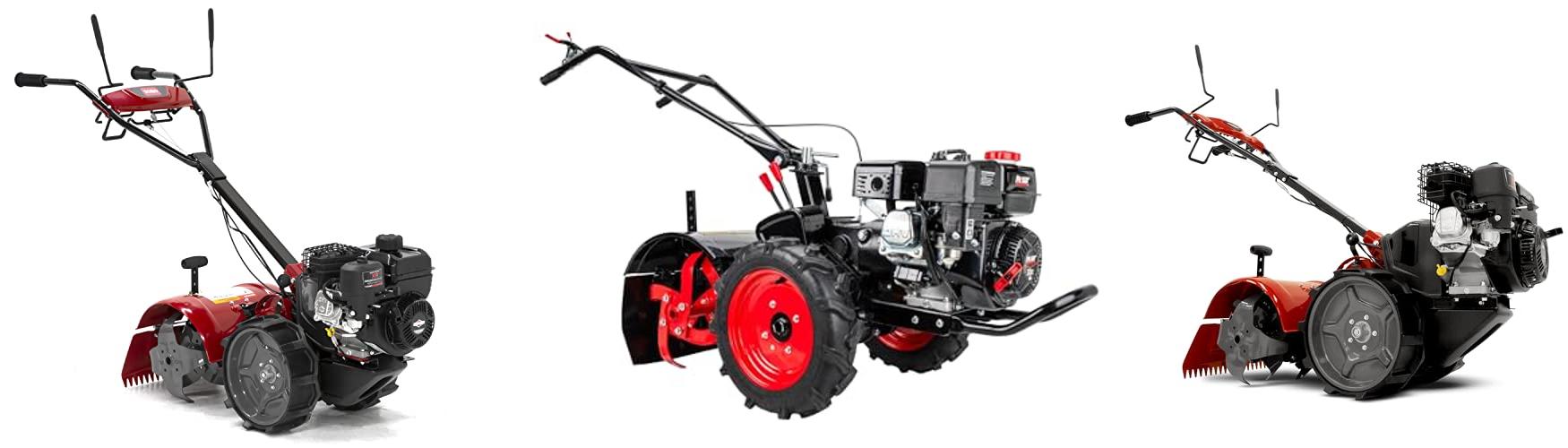
Our Top 5 Walk Behind Tiller Recommendations at a Glance
Top 5 Walk Behind Tiller Detailed Reviews
1. Toro Dual Direction Rear Tine Tiller

Rating: 8.9/10
Get ready to transform your garden with the Toro Dual Direction Rear Tine Tiller, model 58603. This powerful machine is built to make tilling easier and more efficient, whether you’re starting a new garden bed or preparing for spring planting. Its robust Briggs & Stratton engine and smart design tackle tough soil with ease.
What We Like:
- The 127cc Briggs & Stratton 4-cycle engine provides plenty of power to break up tough soil.
- Instant Reverse makes maneuvering around obstacles and tight spots a breeze.
- Airless wheels mean you’ll never have to worry about a flat tire, saving you time and hassle.
- Counter-rotating tines are great for busting through sod and creating brand new garden areas.
- Standard rotating tines leave your soil smooth and ready for planting seeds.
- You can operate it with one or two hands, making it comfortable for different users.
- The simple shifting transmission makes changing gears easy.
- It has a good tilling width of 17 inches and can go up to 10 inches deep.
- A 5-year limited product warranty and a 2-year limited engine warranty offer peace of mind.
What Could Be Improved:
- While powerful, the tines could be more durable for extremely rocky soil.
- The weight of the tiller might be a challenge for some users to move when not in use.
This Toro tiller is a solid choice for anyone looking to improve their gardening experience. Its smart features and reliable performance make it a valuable tool for any yard.
2. Pulsar 20-Inch Gasoline Powered Rear Tine Tiller with Variable Speed and Rotating Handle

Rating: 8.6/10
Tired of back-breaking work in your garden? The Pulsar 20-Inch Gasoline Powered Rear Tine Tiller is here to make your gardening life easier. This powerful machine takes the effort out of preparing your soil. It helps you create a perfect garden bed for planting flowers, vegetables, or anything else you dream of growing. It’s built tough to handle even the most stubborn soil.
What We Like:
- The heavy-duty 212cc engine really powers through the soil.
- The four 13-inch counter-rotating tines work together to break up tough ground.
- You get a good 20-inch wide path and can dig up to 7 inches deep.
- The rotating handle lets you steer the tiller with ease.
- Tractor-style wheels make it easy to move around your yard.
- You can switch between Scarify and Furrow modes for different tasks.
- The depth regulator helps you dig to the same depth every time.
- It comes with all the necessary oils to get started right away.
What Could Be Improved:
- While powerful, it can be a bit heavy for some users.
- The 20-inch width might be too wide for very small garden plots.
This Pulsar tiller is a fantastic tool for serious gardeners. It offers serious power and control for preparing your soil effectively.
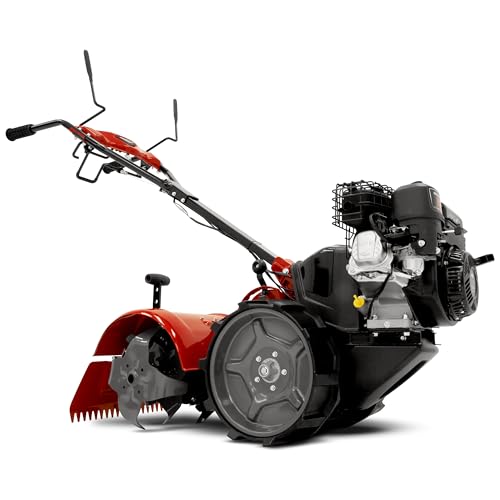
3. Earthquake® 46059 Pioneer™ Dual Direction Rear Tine Tiller
Rating: 9.0/10
Tired of struggling in the garden? The Earthquake® 46059 Pioneer™ Dual Direction Rear Tine Tiller is here to make your life easier. This powerful tiller boasts a 127cc Briggs & Stratton® engine, perfect for tackling tough soil. Its dual-direction tines and instant reverse make maneuvering a breeze, while the frustration-free shifting means you’ll spend less time fiddling and more time gardening. Get ready to create the garden of your dreams!
What We Like:
- The dual-direction tines offer incredible versatility. You can use the counter-rotating tines to break up hard soil and sod, then switch to standard rotating tines to create a smooth surface for planting seeds.
- Shifting gears is super simple. The frustration-free shifting system makes it easy to find the right mode, so you don’t have to wrestle with the controls.
- Instant Reverse is a game-changer. Backing up is as easy as pulling a handle, making tight spots much less of a hassle.
- The airless wheels with steel rims are tough and won’t go flat. Their aggressive lugs give you great traction in the dirt.
- Dual-grip handlebars allow you to operate the tiller with one hand while standing to the side, preventing you from stepping on your freshly tilled soil.
- It’s highly maneuverable thanks to its compact size and balanced weight. You can easily navigate tight garden spaces and pivot at the end of rows.
- The Pioneer comes with a generous 5-year product warranty and a 2-year engine warranty, plus US-based support.
What Could Be Improved:
- While the 127cc engine is right-sized for many tasks, very large or extremely tough jobs might benefit from a slightly larger engine option.
- The 17” tilling width is good for many gardens, but for extremely wide areas, a wider tiller might save some time.
The Earthquake Pioneer is a fantastic choice for gardeners seeking efficiency and ease of use. It’s built to handle various gardening tasks with its smart features and durable construction.
4. NOVUS 18-Inch Dual Direction Rear Tine Tiller

Rating: 8.9/10
Transform your garden with the NOVUS 18-Inch Dual Direction Rear Tine Tiller. This powerful tiller is built to handle everything from breaking new ground to maintaining your existing garden beds. Its robust design and user-friendly features make gardening easier and more efficient for plots of any size.
What We Like:
- The 212cc 4-cycle gas engine delivers strong power to break up tough soil easily.
- Its 18-inch tilling width and 10-inch depth let you work efficiently.
- The full gear transmission offers superior durability and less maintenance than belt systems.
- Dual rotating tines give you flexibility to tackle different soil conditions.
- Airless tires are tough and won’t go flat, making moving it simple.
- Easy operation with 2 forward speeds and 1 reverse speed helps you maneuver with control.
- Ergonomic handlebars allow for comfortable 1- or 2-hand operation.
- The 8-position depth adjustment lets you control how deep you till.
- US-based support and a 2-year warranty provide peace of mind.
What Could Be Improved:
- While powerful, the tiller can be heavy for some users to maneuver when not in use.
- The 18-inch tilling width might be slightly narrow for very large-scale commercial operations.
The NOVUS Rear Tine Tiller is a dependable and capable tool for any gardener. It’s designed for performance and built to last, making your gardening tasks much more manageable.
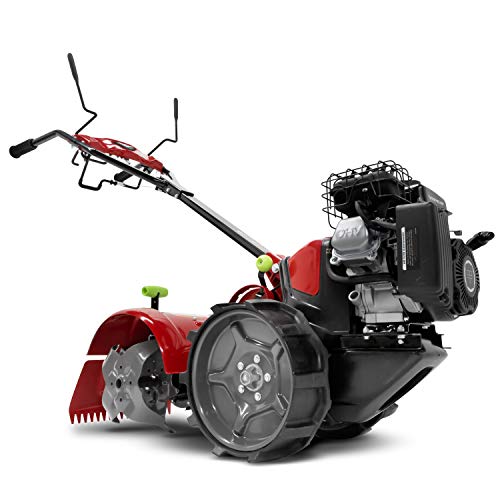
5. Earthquake 37037 Pioneer Dual-Direction Rear Tine Tiller
Rating: 8.7/10
The Earthquake 37037 Pioneer Dual-Direction Rear Tine Tiller in Red/Black is built to make your gardening tasks easier. This tiller offers two ways to work your soil, helping you tackle different jobs with one machine. It’s designed for both tough dirt and preparing a smooth spot for planting.
What We Like:
- Dual Direction Tines: Easily switch between counter-rotating tines (CRT) for breaking up tough ground and sod, and standard rotating tines (SRT) for creating a fine seedbed. This versatility means you can do more with your tiller.
- Powerful Yet Quiet Engine: The 99cc Viper engine is just the right size. It’s lighter and runs more quietly, giving you a smoother and more balanced experience while you work.
- Easy Shifting System: Changing between tilling modes is a breeze. A simple slide of the handle on the locator plate lets you quickly find the gear you need without any fuss.
- Instant Reverse: Backing up is no longer a hassle. A quick pull of a handle lets you move backward smoothly, and releasing it sends you forward again.
- Never-Flat Wheels: The extra-wide airless wheels won’t go flat. Their aggressive treads dig into the dirt, giving you great traction to move through your garden.
- Convenient Packaging: The tiller ships in two boxes, making it easier to handle when it arrives.
What Could Be Improved:
- Weight: While designed to be lighter, tillers can still be heavy for some users.
- Assembly: The two-box shipping means some assembly is required upon arrival.
This tiller offers smart features that simplify garden prep. Get ready to cultivate your best garden yet with the Earthquake Pioneer.
Choosing the Right Walk-Behind Tiller: Your Garden’s Best Friend
Ready to transform your garden soil? A walk-behind tiller is a fantastic tool for breaking up tough ground, mixing in compost, and preparing a perfect seedbed. But with so many options, how do you pick the best one? This guide will help you find a tiller that works for you.
1. Key Features to Look For
When you’re shopping for a walk-behind tiller, keep these important features in mind.
- Engine Power: This is how strong the tiller is. More power means it can handle harder soil and larger areas. Look for engines measured in CC (cubic centimeters) or horsepower. A good starting point for most home gardens is around 50-100 CC.
- Tilling Width and Depth: These tell you how wide and deep the tiller can dig. A wider tiller covers more ground faster. A deeper tiller breaks up soil more thoroughly. Most tillers offer a tilling width of 10-20 inches and a depth of 5-10 inches.
- Tine Configuration: Tillers have rotating metal blades called tines. Some have front-mounted tines, which are good for breaking up loose soil. Rear-tines are more powerful and better for tough, compacted ground.
- Adjustable Handlebars: You’ll be pushing and guiding the tiller. Handlebars that adjust up and down, and sometimes side-to-side, make it comfortable for people of different heights. This reduces strain on your back and arms.
- Wheels: Most tillers have wheels to help you move them around. Some have larger, pneumatic (air-filled) wheels that are great for rough terrain. Others have smaller, solid wheels.
2. Important Materials
The materials used in a tiller affect how long it lasts and how well it works.
- Frame: The frame is the main body of the tiller. Steel frames are strong and durable. They resist bending and damage. Look for powder-coated steel to prevent rust.
- Tines: The tines are usually made of hardened steel. This makes them tough enough to cut through soil and roots. Good quality tines will last a long time without bending or breaking.
- Engine Components: The engine is the heart of the tiller. Look for reputable engine brands known for reliability. Metal parts in the engine are generally better than plastic ones for durability.
3. Factors That Improve or Reduce Quality
Certain design choices and build qualities make a big difference.
Factors That Improve Quality:
- Solid Construction: A tiller that feels sturdy and well-put-together is a good sign. Wiggle parts to see if they are loose.
- Easy Starting Mechanism: A tiller that starts up quickly and easily saves you frustration. Look for features like a primer bulb or an easy-pull recoil starter.
- Good Balance: A well-balanced tiller is easier to control. It won’t feel like it’s fighting you.
- Reputable Brand: Brands that have been making outdoor power equipment for a while often have better quality control and customer support.
Factors That Reduce Quality:
- Flimsy Frame: A frame that bends or feels weak won’t last long.
- Plastic Parts: Too many plastic components, especially in high-stress areas, can break easily.
- Difficult Assembly: If it’s hard to put together, it might not be built with quality in mind.
- Poor Engine Performance: An engine that struggles to run or stalls often indicates lower quality.
4. User Experience and Use Cases
Think about how you’ll use the tiller and what kind of experience you want.
- For Small Gardens: If you have a small vegetable patch or flower beds, a lightweight, front-tine tiller might be perfect. They are easy to maneuver in tight spaces.
- For Larger Areas: For bigger yards or gardens that haven’t been tilled in a while, a more powerful rear-tine tiller is a better choice. They can handle tougher jobs.
- Ease of Use: A tiller with simple controls and good maneuverability makes gardening more enjoyable. If you’re new to tillers, look for models designed for beginners.
- Maintenance: Consider how easy it is to clean and maintain the tiller. Access to the engine and tines for oil changes and cleaning is important.
Frequently Asked Questions (FAQ) About Walk-Behind Tillers
Q: What is the main purpose of a walk-behind tiller?
A: The main purpose of a walk-behind tiller is to break up and loosen soil. It helps mix in compost, fertilizer, or other soil amendments. It also prepares the ground for planting seeds or sod.
Q: How much power do I need in a tiller?
A: For light garden work and small areas, a tiller with around 50-100 CC engine power is usually enough. For tougher soil or larger gardens, you might need something with more power, like 100 CC or more.
Q: What’s the difference between front-tine and rear-tine tillers?
A: Front-tine tillers have their tines in the front. They are lighter and easier to handle in loose soil or for weeding. Rear-tine tillers have their tines in the back. They are more powerful and better for breaking up hard, compacted soil.
Q: How wide should the tilling path be?
A: A wider tilling path means you cover more ground faster. Most tillers have a tilling width between 10 and 20 inches. Choose a width that fits your garden size and how quickly you want to finish the job.
Q: Can I use a tiller on rocky soil?
A: Yes, but it depends on the tiller’s power and the size of the rocks. A powerful rear-tine tiller can handle some rocks. However, large rocks can damage the tines or the tiller itself. Always check your soil for large rocks before tilling.
Q: How deep can a walk-behind tiller dig?
A: Most walk-behind tillers can dig between 5 and 10 inches deep. This depth is usually enough to prepare a good seedbed for most plants.
Q: Are electric tillers a good option?
A: Electric tillers (corded or battery-powered) are good for small gardens and are usually lighter and quieter than gas tillers. However, they might not have as much power for tough jobs and you are limited by the cord length or battery life.
Q: How do I maintain my tiller?
A: Regular maintenance includes cleaning the tines and engine after each use, checking the oil level, and keeping air filters clean. For gas tillers, you’ll also need to change the oil and spark plug periodically.
Q: What safety gear should I wear when using a tiller?
A: Always wear sturdy closed-toe shoes, long pants, eye protection (safety glasses or goggles), and hearing protection. Gloves can also help prevent blisters.
Q: How much does a walk-behind tiller typically cost?
A: The cost varies greatly depending on the type and features. Basic front-tine tillers can start around $200-$300, while powerful rear-tine tillers can range from $500 to over $1000.
In conclusion, every product has unique features and benefits. We hope this review helps you decide if it meets your needs. An informed choice ensures the best experience.
If you have any questions or feedback, please share them in the comments. Your input helps everyone. Thank you for reading.

My name is Gareth Lewis, and I’m the voice behind CampingGuider.com.. I created this space to share my passion for camping and the great outdoors. With years of experience and countless adventures under my belt, I aim to inspire and guide fellow enthusiasts. Whether you’re a seasoned camper or a curious beginner, my goal is to provide you with practical tips, honest reviews, and insights to help you make the most out of your outdoor escapades. Join me on this journey, and let’s explore the beauty of nature together!