First come, first served (FCFS) camping means campsites are given out to campers as they arrive, with no reservation camping allowed in advance. This article covers how FCFS camping works and how to increase your chances of securing a site. We’ll discuss FCFS camping rules, first-come-first-served campsites, walk-up camping availability, last-minute camping tips, and first come camping strategies, along with dispersed camping alternatives and advice on how to find open campsites, even finding camping availability near me.
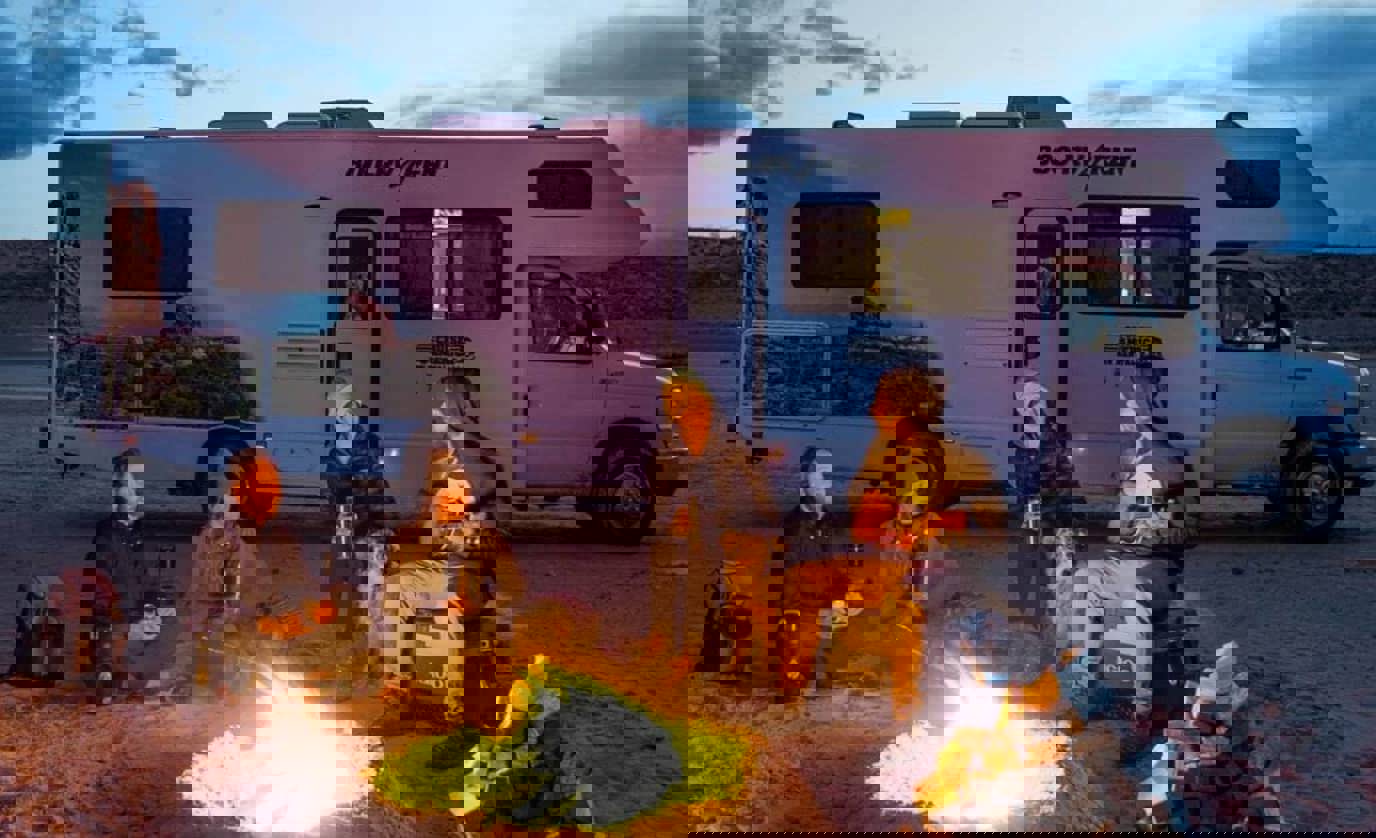
Image Source: www.cruiseamerica.com
Deciphering First Come, First Served Camping
FCFS camping operates on a simple principle: the first person to arrive at a campsite and claim it gets to use it. There are no pre-bookings, no online systems, and no guarantees. It’s a gamble, but with some strategic planning, you can significantly increase your chances of success.
What is FCFS Camping?
FCFS camping is a system where campsites are allocated to campers on a “first come, first served” basis. No advance reservations are accepted for these sites.
Why Choose FCFS Camping?
- Spontaneity: Allows for unplanned trips and last-minute adventures.
- Flexibility: You’re not tied to a specific date or campsite.
- Opportunity: Often the only way to camp in popular areas during peak season when reservable sites are booked months in advance.
FCFS Camping Rules & Etiquette
Knowing the FCFS camping rules is vital for a smooth experience. These guidelines ensure fairness and respect among campers.
- Registration: Upon arrival, you typically need to register at a designated kiosk or with the campground host.
- Payment: Fees are usually paid on-site, often using cash, check, or credit card.
- Occupancy Limits: Adhere to the maximum number of people and vehicles allowed per campsite. This information is usually posted at the campsite or registration area.
- Stay Limits: Most FCFS campgrounds have limits on how long you can stay, generally ranging from 7 to 14 days.
- Quiet Hours: Respect quiet hours, usually from 10 PM to 6 AM.
- Leave No Trace: Pack out everything you pack in and minimize your impact on the environment.
Finding First-Come-First-Served Campsites
Locating first-come-first-served campsites requires some research.
Online Resources
- Recreation.gov: While not for reservations, it often lists campgrounds with FCFS sites and provides information about their amenities and rules.
- Campendium: A website and app that offers campground reviews, photos, and information, including whether sites are FCFS.
- Freecampsites.net: Useful for finding dispersed camping options, which can serve as a backup if FCFS sites are unavailable.
- National Forest Service and National Park Service Websites: These sites provide detailed information about camping options within specific parks and forests, including which campgrounds offer FCFS sites.
- Allstays: A website and app that list campgrounds and include details about FCFS availability.
Local Information
- Contact the Park or Forest Ranger Station: Call the local ranger station for the most up-to-date information on camping availability, closures, and conditions.
- Visit Local Outdoor Retailers: Staff at outdoor stores often have insider knowledge about camping spots and availability.
Using Apps to Find Camping Availability Near Me
- The Dyrt: A popular app for finding campgrounds and reading reviews, often with information on FCFS availability.
- Hipcamp: While primarily for booking private land camping, it can sometimes list FCFS campgrounds.
- iOverlander: Great for finding dispersed camping options, especially for overlanders and those with off-road vehicles.
Optimizing Your Chances: First Come Camping Strategies
Securing a FCFS campsite requires strategy and timing. Here are some tips to maximize your chances:
Timing is Everything
- Arrive Early: This is the most crucial factor. Aim to arrive on weekdays (Monday-Wednesday) when campgrounds are less crowded.
- Mid-Week Arrivals: Weekends are always busiest. Arriving mid-week significantly increases your chances.
- Shoulder Seasons: Consider camping during the shoulder seasons (spring and fall) when the weather is still pleasant, but crowds are smaller.
- Check-Out Times: Find out the campground’s check-out time and arrive shortly after. Campers typically leave between 11 AM and 1 PM.
Planning & Preparation
- Have a Backup Plan: Research alternative campgrounds or dispersed camping areas in case your first choice is full.
- Be Flexible: Be willing to camp in a less desirable site if it’s the only one available.
- Bring Cash: Some FCFS campgrounds only accept cash.
- Pack Light: Be prepared to walk around the campground to check for available sites.
- Check Weather Conditions: Be aware of the weather forecast and pack accordingly.
Tactics On-Site
- Drive Through the Campground: Slowly drive through the campground, looking for empty sites.
- Talk to the Campground Host: The host can provide valuable information about potential vacancies and upcoming departures.
- Be Observant: Watch for campers packing up their gear. Politely inquire about their departure plans.
- Be Patient: Finding a FCFS campsite can take time. Be prepared to wait and keep checking.
- Have all your camping gear ready to set up quickly once you secure a site. This is crucial, especially if other campers are also looking.
Table: Best Times to Arrive for FCFS Camping
| Day of Week | Arrival Time | Chance of Success | Notes |
|---|---|---|---|
| Monday | Early Morning (8 AM) | High | Many campers leave after the weekend. |
| Tuesday | Mid-Morning (10 AM) | Good | Less competition than weekends. |
| Wednesday | Mid-Day (12 PM) | Fair | Some weekend campers may have arrived early. |
| Thursday | Afternoon (2 PM) | Low to Fair | Weekends are approaching. |
| Friday | Early Morning (8 AM) | Very Low | Competition is fierce. |
| Saturday | Anytime | Extremely Low | Expect full campgrounds. |
| Sunday | Late Afternoon | Low | Some campers may leave early, but many will stay until Sunday evening. |
Dealing with Disappointment: What if the Campground is Full?
Despite your best efforts, sometimes all the FCFS sites are taken. Here are some options:
Dispersed Camping Alternatives
- What is dispersed camping? Dispersed camping is camping outside of designated campgrounds, typically on National Forest or Bureau of Land Management (BLM) land.
- Research Dispersed Camping Areas: Identify areas near your intended campground where dispersed camping is allowed.
- Follow Dispersed Camping Rules: Understand and follow all rules and regulations, including distance from roads, water sources, and other campsites.
- Leave No Trace: This is even more critical in dispersed camping areas. Pack out everything you pack in and minimize your impact.
Other Campground Options
- Check for Cancellations: Some reservable campgrounds allow you to check for cancellations online.
- Consider Nearby Campgrounds: Look for other campgrounds in the area, even if they are not your first choice.
- Private Campgrounds: Explore private campgrounds or RV parks, which often have availability even when public campgrounds are full.
Last-Minute Camping Tips for Full Campgrounds
- Talk to the Campground Host: They may know of campers who are leaving early or have insights into potential vacancies.
- Be Prepared to Dry Camp: If you have an RV, be prepared to camp without hookups in a parking lot or overflow area.
- Look for Single-Night Stays: Some campers only stay for one night, so you might be able to snag a site the next day.
- Expand Your Search Radius: Look at campgrounds farther away from popular attractions.
Camping Without Reservations: The Reality
Camping without reservations can be stressful, but it’s also a gateway to spontaneity and adventure. Accepting the inherent uncertainty is part of the experience.
Embracing the Unknown
- Be Open to Change: Your original plans might need to be adjusted. Be prepared to explore different areas or activities.
- Enjoy the Journey: Focus on the experience of exploring the outdoors, regardless of where you end up camping.
- Learn from Each Trip: Each FCFS camping experience provides valuable lessons for future adventures.
Fathoming Check-In Procedures
Knowing the check-in procedures is vital for a smooth experience.
Self-Registration
- Forms: Fill out the required registration forms, providing information such as your name, address, license plate number, and number of occupants.
- Payment Envelopes: Place your payment in the designated envelope and deposit it in the drop box.
- Site Markers: Display the site marker on your campsite to indicate that it is occupied.
Campground Host Check-In
- Introduction: Introduce yourself to the campground host and provide the necessary information.
- Payment: Pay the camping fees to the host.
- Site Assignment: The host will assign you a campsite or allow you to choose from available sites.
Safety Considerations for FCFS Camping
Safety should always be a priority when camping, especially in FCFS campgrounds where amenities may be limited.
Wildlife Awareness
- Bear Safety: Store food properly in bear-resistant containers or hang it from a tree.
- Other Animals: Be aware of other wildlife, such as raccoons, squirrels, and rodents, and take precautions to protect your food and belongings.
- Insect Protection: Use insect repellent to protect yourself from mosquitoes, ticks, and other biting insects.
Weather Preparedness
- Check the Forecast: Monitor the weather forecast before and during your trip.
- Pack for All Conditions: Be prepared for a variety of weather conditions, including rain, wind, and cold temperatures.
- Seek Shelter: In the event of severe weather, seek shelter in a sturdy building or vehicle.
General Safety Tips
- Let Someone Know Your Plans: Inform a friend or family member of your itinerary and expected return date.
- Carry a First-Aid Kit: Pack a comprehensive first-aid kit and know how to use it.
- Bring a Communication Device: Carry a cell phone, satellite phone, or two-way radio for emergencies.
- Be Aware of Your Surroundings: Pay attention to your surroundings and be cautious of potential hazards.
Conclusion: The Rewards of FCFS Camping
While walk-up camping availability can be unpredictable, the flexibility and spontaneity of FCFS camping make it a rewarding experience. With careful planning, strategic timing, and a willingness to adapt, you can increase your chances of securing a campsite and enjoying the great outdoors. Remember to respect the environment, follow the rules, and embrace the adventure!
Frequently Asked Questions (FAQ)
Q: Can I reserve a first-come-first-served campsite?
A: No, you cannot reserve a first-come-first-served campsite. They are given out on a strictly first-come, first-served basis.
Q: What happens if I arrive at a FCFS campground and it’s full?
A: Have a backup plan, such as dispersed camping options or nearby campgrounds.
Q: What time should I arrive at a FCFS campground to get a site?
A: Arrive as early as possible, preferably on a weekday (Monday-Wednesday), and check the campground’s check-out time to time your arrival shortly after.
Q: Are FCFS campsites cheaper than reservable campsites?
A: Sometimes, but not always. Fees vary depending on the location and amenities.
Q: Can I put a tent on a FCFS site and leave it to hold the spot while I go get supplies?
A: Generally, no. Most campgrounds require someone to be present at the campsite to claim it. Check the specific campground rules.
Q: What amenities are typically available at FCFS campsites?
A: Amenities vary. Some may have picnic tables, fire rings, and vault toilets, while others may be more primitive. Check the campground’s website or contact the ranger station for details.
Q: Are dogs allowed at FCFS campsites?
A: Yes, dogs are typically allowed at FCFS campsites, but they must be kept on a leash and under control at all times.
Q: What is dispersed camping and how does it relate to FCFS camping?
A: Dispersed camping is camping outside of designated campgrounds, often on National Forest or BLM land. It’s a good alternative if FCFS campsites are full.
Q: Where can I find information on camping availability near me?
A: Use online resources like Recreation.gov, Campendium, The Dyrt app, or contact local ranger stations.
Q: What are the key differences between first come first served and dispersed camping?
A: First come first served camping is in a designated campground, where you are competing with others for a numbered site. Dispersed camping is camping outside of designated campgrounds, and typically has very few or no facilities.

My name is Gareth Lewis, and I’m the voice behind CampingGuider.com.. I created this space to share my passion for camping and the great outdoors. With years of experience and countless adventures under my belt, I aim to inspire and guide fellow enthusiasts. Whether you’re a seasoned camper or a curious beginner, my goal is to provide you with practical tips, honest reviews, and insights to help you make the most out of your outdoor escapades. Join me on this journey, and let’s explore the beauty of nature together!