Can RV pipes freeze? Yes, RV pipes can absolutely freeze, just like pipes in a house. When temperatures drop below freezing (32°F or 0°C), the water inside your RV’s pipes can turn to ice, potentially causing them to burst or crack, leading to costly repairs. This article will help you prevent frozen RV pipes and enjoy RV winter camping.
Winter camping in your RV can be an amazing experience. Imagine cozying up inside while snow falls gently outside. But cold weather also brings risks, especially to your RV’s plumbing. Frozen pipes can lead to major damage, turning your winter getaway into a plumbing nightmare. Don’t worry! With the right knowledge and preparation, you can keep your RV pipes from freezing and enjoy your winter adventures.
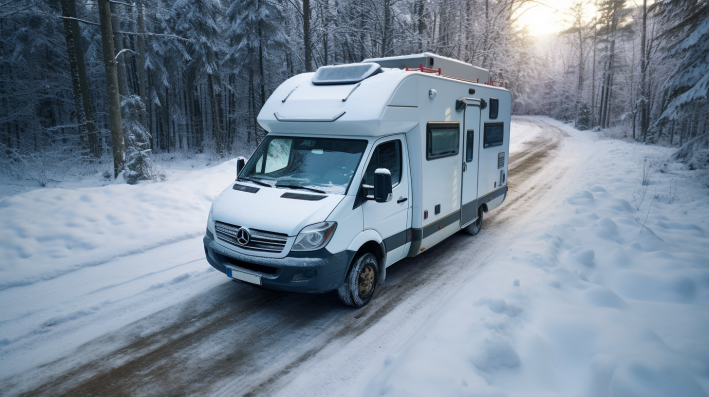
Image Source: shopeverbeam.com
Why Preventing Frozen RV Pipes Matters
Frozen pipes are more than just an inconvenience. The real danger comes from the expansion of water as it freezes. This expansion can create immense pressure inside the pipes, leading to cracks, leaks, or even bursts. Repairing or replacing damaged pipes can be expensive and time-consuming, putting a damper on your travels.
Beyond the cost of repairs, frozen pipes can also cause water damage to your RV’s interior. Leaks can soak carpets, walls, and furniture, leading to mold growth and further damage. Taking proactive steps to prevent frozen pipes is crucial for protecting your investment and ensuring a comfortable and worry-free winter camping experience.
Preparing Your RV for Cold Weather
Before heading out for a winter camping trip, take the time to prepare your RV for the cold. This involves several key steps to insulate and protect your plumbing system:
Winterizing RV Plumbing
- Drain all water tanks: Empty your fresh water tank, gray water tank, and black water tank. This removes the bulk of the water that could freeze.
- Bypass the water heater: This isolates the water heater from the rest of the plumbing system, preventing antifreeze from entering it.
- Add RV antifreeze: Pump RV antifreeze through all the water lines. This replaces any remaining water and prevents it from freezing. Make sure to use RV antifreeze, not automotive antifreeze, as the latter is toxic.
Sealing Air Leaks
Cold air can enter your RV through cracks and gaps, quickly lowering the temperature and increasing the risk of frozen pipes. Seal any air leaks around windows, doors, and vents with caulk or weather stripping. Pay close attention to areas where pipes enter or exit the RV.
Insulating Water Hoses
Your water hose is particularly vulnerable to freezing. Insulate it with foam pipe insulation or heat tape specifically designed for water hoses. Consider using a heated water hose for added protection.
RV Winter Camping Tips: Keeping Pipes Warm
Even after winterizing your RV, you still need to take precautions to keep your pipes warm while camping in freezing temperatures. Here are several effective methods:
Using Your RV Furnace
Your RV furnace is your best friend during winter camping. It circulates warm air throughout the RV, helping to keep the pipes from freezing.
- Keep the furnace running: Maintain a consistent temperature inside the RV, even when you’re away. A temperature of 50-55°F (10-13°C) is usually sufficient.
- Open cabinet doors: Open cabinet doors under sinks and in other areas where pipes are located to allow warm air to circulate around them.
Heat Tape for RV Pipes
Heat tape is an electrical cable that wraps around pipes and provides targeted heat to prevent freezing.
- Install heat tape correctly: Follow the manufacturer’s instructions carefully when installing heat tape. Ensure it is properly secured and does not overlap.
- Use thermostatically controlled heat tape: This type of heat tape automatically turns on and off based on the temperature, saving energy and preventing overheating.
- Check the heat tape regularly: Inspect the heat tape for any signs of damage or wear. Replace it if necessary.
Insulating RV Pipes
Insulating your RV’s pipes provides an extra layer of protection against freezing.
- Use foam pipe insulation: Wrap pipes with foam pipe insulation, securing it with tape. Pay attention to areas that are exposed to the outside, such as the underbelly.
- Insulate the water pump: The water pump is also susceptible to freezing. Wrap it with insulation to protect it.
Skirting for RV
Skirting involves covering the underside of your RV to create an insulated barrier against the cold ground.
- Choose the right skirting material: Options include rigid foam boards, vinyl skirting, and even hay bales.
- Install skirting securely: Ensure the skirting is properly secured to prevent wind from blowing it away.
- Ventilate the skirting: Provide some ventilation to prevent moisture buildup under the RV.
Supplemental Heating
In addition to your RV furnace, consider using supplemental heating sources, such as space heaters.
- Use space heaters safely: Choose space heaters with safety features like tip-over protection and overheat shutoff.
- Avoid overloading circuits: Do not plug too many heaters into the same circuit, as this can cause a fire hazard.
Monitoring Temperatures
Keep a close eye on the temperature inside and outside your RV.
Use a Thermometer
Place thermometers in different areas of your RV, especially near the pipes, to monitor the temperature.
Weather Forecasts
Pay attention to weather forecasts and be prepared for sudden drops in temperature.
RV Pipe Thawing Methods: What to Do If Your Pipes Freeze
Despite your best efforts, your RV pipes might still freeze. If this happens, here’s how to thaw them safely:
Locate the Frozen Section
Identify the section of pipe that is frozen. This may involve inspecting the pipes visually or feeling for cold spots.
Apply Heat Gradually
- Use a hair dryer: Apply heat to the frozen section of pipe using a hair dryer. Keep the hair dryer moving to avoid overheating any one spot.
- Use a heat lamp: Place a heat lamp near the frozen section of pipe. Be careful not to place the heat lamp too close, as this could damage the pipe or cause a fire.
- Wrap with warm towels: Wrap the frozen section of pipe with warm towels. Replace the towels as they cool.
Never Use Open Flames
Never use a torch or open flame to thaw frozen pipes. This is extremely dangerous and could cause a fire or explosion.
Check for Leaks
After thawing the pipes, check carefully for any leaks or damage. If you find any leaks, repair them immediately.
Cold Weather RV Camping: Other Important Considerations
Beyond protecting your pipes, there are other factors to consider when camping in cold weather:
Battery Life
Cold temperatures can significantly reduce battery life. Keep your batteries charged and consider using a generator or solar panels to supplement your power supply.
Propane Usage
Your furnace uses a lot of propane. Monitor your propane levels and refill your tanks as needed.
Condensation
Condensation can build up inside your RV in cold weather, leading to mold and mildew. Use a dehumidifier or open windows slightly to improve ventilation.
Black Tank Management
Your black tank can freeze in cold weather, making it difficult to empty. Use RV antifreeze in the black tank and consider using a tank heater to prevent freezing.
Troubleshooting Common Issues
- Low Water Pressure: This could indicate a partially frozen pipe. Try thawing the pipes as described above.
- No Water Flow: This could indicate a completely frozen pipe. Thaw the pipes carefully and check for leaks.
- Furnace Not Working: Check the propane levels and battery voltage. Ensure the furnace vents are not blocked.
Choosing the Right RV for Winter Camping
Some RVs are better suited for winter camping than others. Look for RVs with:
- Well-insulated walls and roof: This will help keep the RV warm and reduce energy consumption.
- Double-pane windows: These provide better insulation than single-pane windows.
- Heated tanks: These prevent the tanks from freezing.
- An enclosed underbelly: This protects the pipes and tanks from the cold.
Advanced Tips for Extreme Cold
- Consider a heated RV garage: For long-term winter camping, consider storing your RV in a heated garage.
- Use a tank blanket: Wrap your tanks with electric tank heaters to provide extra protection against freezing.
- Monitor the temperature of your holding tanks: Some digital thermometers come with probes, allowing you to keep track of tank temperatures from inside your RV.
Frequently Asked Questions (FAQ)
-
What temperature will RV pipes freeze? RV pipes can freeze at 32°F (0°C) or below, especially if exposed to prolonged cold.
-
Can I use a space heater instead of the furnace? Yes, you can use a space heater, but it’s generally best to use your RV furnace as the primary heat source, because it distributes heat more evenly. Supplement with a space heater if needed, prioritizing safety.
-
How much RV antifreeze do I need? The amount of RV antifreeze needed depends on the size of your RV’s plumbing system. Typically, 2-3 gallons is sufficient for a small RV, while larger RVs may require more.
-
Is it safe to drink water after using RV antifreeze? No, do not drink the RV antifreeze. After winterizing, flush the system thoroughly with fresh water before using it for drinking or cooking.
-
Who should I call if I can’t thaw my RV pipes? If you’re unable to thaw your RV pipes yourself, contact a qualified RV technician or plumber.
Conclusion
Preventing frozen RV pipes is crucial for a successful and enjoyable winter camping experience. By preparing your RV properly, taking precautions to keep your pipes warm, and knowing what to do if they freeze, you can protect your investment and avoid costly repairs. So, embrace the beauty of winter camping, and stay warm and safe on your adventures!

My name is Gareth Lewis, and I’m the voice behind CampingGuider.com.. I created this space to share my passion for camping and the great outdoors. With years of experience and countless adventures under my belt, I aim to inspire and guide fellow enthusiasts. Whether you’re a seasoned camper or a curious beginner, my goal is to provide you with practical tips, honest reviews, and insights to help you make the most out of your outdoor escapades. Join me on this journey, and let’s explore the beauty of nature together!