Do you want to know how to brew coffee while camping? There are many ways to make coffee in the great outdoors, from simple cowboy coffee to using portable espresso makers. This guide will walk you through several camping coffee brewing methods, help you choose the best coffee camping gear, and provide tips for enjoying your coffee while backpacking or car camping.
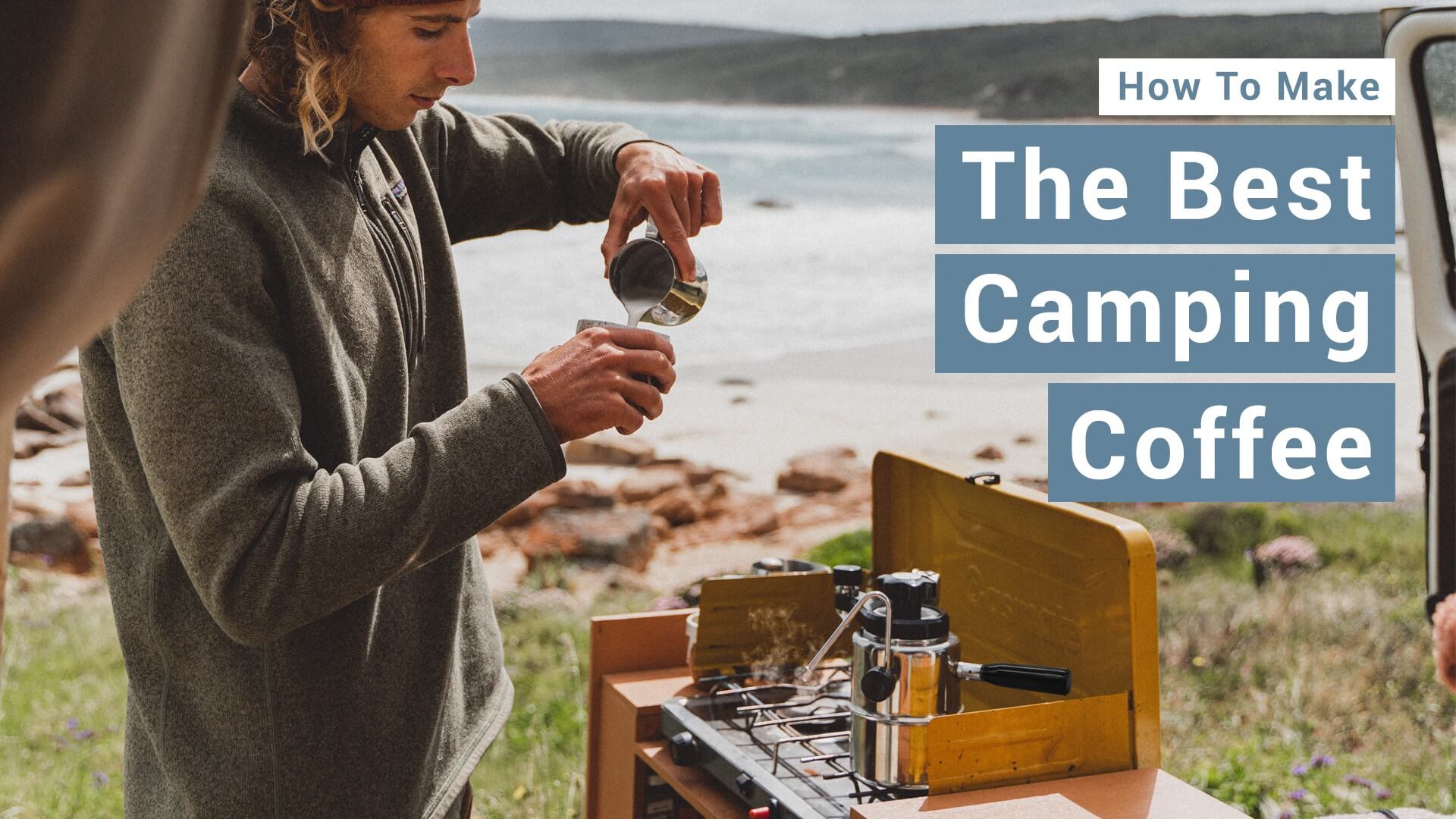
Image Source: bellmanespresso.com
Why Bother Brewing Coffee While Camping?
Coffee is more than just a morning drink; it’s a ritual. When camping, that ritual can provide comfort, warmth, and a much-needed energy boost to tackle the day’s adventures. Think about waking up to the fresh air, the sounds of nature, and the aroma of freshly brewed coffee – it’s a fantastic way to start the day.
Camping Coffee Brewing Methods: A Deep Dive
Several camping coffee brewing methods exist, each with its pros and cons. Here’s a look at some of the most popular options:
Cowboy Coffee: The Rugged Classic
Cowboy coffee is the simplest method, perfect for those seeking a no-frills, back-to-basics experience.
How to Brew Cowboy Coffee:
- Heat Water: Bring water to a boil in a pot over your campfire or camping stove.
- Add Coffee Grounds: Remove the pot from the heat and add coffee grounds directly to the water (approximately 2 tablespoons per 8 ounces of water).
- Stir and Steep: Stir well and let the coffee steep for about 4 minutes.
- Settle the Grounds: To settle the grounds, gently tap the side of the pot. You can also add a splash of cold water, which helps the grounds sink to the bottom.
- Pour Carefully: Pour the coffee slowly and carefully, avoiding the grounds at the bottom of the pot.
Pros:
- Simple and requires minimal equipment.
- Great for large groups.
- Embraces the traditional camping experience.
Cons:
- Can be gritty due to coffee grounds in your cup.
- Difficult to control the strength and flavor.
French Press: Rich and Full-Bodied
The French press is a popular option for those who appreciate a rich, full-bodied cup of coffee. You can find french press camping coffee versions designed for durability.
How to Brew French Press Coffee:
- Heat Water: Heat water to just below boiling (around 200°F or 93°C).
- Add Coffee Grounds: Place coarsely ground coffee in the French press (about 2 tablespoons per 6 ounces of water).
- Bloom: Pour a small amount of hot water over the grounds and let it bloom for 30 seconds. This allows the coffee to degas and enhances the flavor.
- Add Remaining Water: Pour the remaining water over the grounds.
- Steep: Let the coffee steep for 4 minutes.
- Press: Slowly press the plunger down to separate the grounds from the coffee.
- Pour and Enjoy: Pour the coffee immediately to prevent over-extraction.
Pros:
- Produces a rich, flavorful cup of coffee.
- Relatively easy to clean.
- Durable options available for camping.
Cons:
- Requires a specific grind size (coarse).
- Can be bulky to pack.
- Some sediment may pass through the filter.
Percolator: The Classic Camping Brewer
The percolator is another percolator camping coffee method often associated with camping. It involves repeatedly cycling boiling water through coffee grounds.
How to Brew Percolator Coffee:
- Assemble Percolator: Fill the bottom chamber with water, add coffee grounds to the basket, and assemble the percolator.
- Heat: Place the percolator over your heat source.
- Percolate: The water will heat, rise through the tube, and drip over the coffee grounds.
- Monitor: Listen for the percolating sound. Once it starts, reduce the heat and let it percolate for about 7-10 minutes.
- Remove from Heat: Remove the percolator from the heat and let it sit for a minute to allow the grounds to settle.
- Pour and Enjoy: Pour the coffee carefully to avoid grounds.
Pros:
- Good for making large quantities of coffee.
- Durable and can withstand rough handling.
- Classic camping feel.
Cons:
- Can be easy to over-extract, resulting in bitter coffee.
- Difficult to clean.
- Requires careful monitoring to prevent burning.
Pour Over: Precise and Flavorful
Pour-over coffee is a method that emphasizes control and precision, resulting in a clean and flavorful cup. The pour over coffee camping setup is designed to be lightweight and portable.
How to Brew Pour Over Coffee:
- Heat Water: Heat water to just below boiling.
- Set Up Pour Over Device: Place a paper filter in your pour-over device (e.g., Hario V60, Melitta).
- Rinse Filter: Rinse the paper filter with hot water to remove any paper taste and preheat the device. Discard the rinse water.
- Add Coffee Grounds: Add freshly ground coffee to the filter (about 2 tablespoons per 10 ounces of water).
- Bloom: Slowly pour a small amount of hot water over the grounds, just enough to wet them. Let it bloom for 30 seconds.
- Pour Slowly: Slowly pour the remaining water over the grounds in a circular motion, ensuring even saturation.
- Let it Drip: Allow the water to drip through the grounds completely.
- Enjoy: Remove the filter and enjoy your coffee.
Pros:
- Produces a clean, flavorful cup of coffee.
- Portable and lightweight.
- Allows for precise control over the brewing process.
Cons:
- Requires more attention and technique.
- Needs a separate water heating source.
- Paper filters add to waste (unless using a reusable filter).
Instant Coffee: Quick and Easy
Instant coffee is the simplest and quickest option for camping coffee without electricity. Just add hot water and stir.
How to Brew Instant Coffee:
- Heat Water: Heat water to your desired temperature.
- Add Instant Coffee: Add a packet or spoonful of instant coffee to your cup.
- Pour Water: Pour the hot water over the coffee granules.
- Stir: Stir well until the coffee is dissolved.
- Enjoy: Enjoy your coffee.
Pros:
- Extremely convenient and requires no special equipment.
- Lightweight and easy to pack, ideal for coffee while backpacking.
- Long shelf life.
Cons:
- Often lacks the flavor and complexity of freshly brewed coffee.
- Can be expensive compared to other methods.
Portable Espresso Maker: For the Espresso Lover
For those who can’t live without their espresso, portable coffee maker for camping options are available. These range from manual lever machines to battery-powered devices.
How to Use a Portable Espresso Maker:
- Grind Coffee: Grind your coffee finely.
- Add Coffee: Add the ground coffee to the portafilter.
- Tamp: Tamp the coffee firmly.
- Add Hot Water: Add hot water to the water chamber.
- Pressurize: Use the lever or pump to create pressure.
- Extract Espresso: Extract the espresso into your cup.
Pros:
- Produces true espresso while camping.
- Impressive for coffee aficionados.
Cons:
- Can be expensive.
- Requires more effort and practice.
- More parts to clean and maintain.
Best Coffee Camping Gear: Equipping Yourself for Success
Choosing the best coffee camping gear depends on your preferred brewing method and camping style. Here are some essential items:
- Water Boiler: A camping kettle or pot for boiling water.
- Coffee Grinder: A manual burr grinder for fresh coffee grounds (if not using instant coffee).
- Brewing Device: French press, pour-over device, percolator, or portable espresso maker.
- Coffee Mugs: Insulated mugs to keep your coffee hot.
- Spoon: For stirring.
- Cleaning Supplies: Biodegradable soap and a sponge for cleaning your gear.
- Storage Containers: Airtight containers for storing coffee grounds.
Table: Comparing Camping Coffee Brewing Methods
| Method | Equipment Needed | Ease of Use | Flavor Quality | Portability |
|---|---|---|---|---|
| Cowboy Coffee | Pot | Easy | Fair | Excellent |
| French Press | French press | Medium | Good | Good |
| Percolator | Percolator | Medium | Fair to Good | Good |
| Pour Over | Pour-over device, filters | Medium | Excellent | Good |
| Instant Coffee | Mug | Easy | Fair | Excellent |
| Portable Espresso | Portable espresso maker | Hard | Excellent | Fair |
Coffee While Backpacking: Keeping it Light
When coffee while backpacking, weight and space are crucial. Here are some tips:
- Opt for Lightweight Options: Choose instant coffee, a small pour-over device with reusable filter, or a lightweight French press.
- Pre-Grind Coffee: Grind your coffee beans before your trip to save weight and hassle.
- Use a Titanium Mug: Titanium mugs are lightweight and durable.
- Consider Coffee Bags: Similar to tea bags, coffee bags offer a convenient and lightweight option.
Camping Coffee Tips and Tricks: Elevating Your Experience
Here are some camping coffee tips and tricks to enhance your camping coffee experience:
- Use Freshly Roasted Coffee: Freshly roasted coffee beans will provide the best flavor.
- Grind Your Beans Fresh: Grinding your beans right before brewing maximizes flavor.
- Use Filtered Water: Filtered water will improve the taste of your coffee.
- Preheat Your Mug: Pour hot water into your mug before brewing to keep your coffee warmer longer.
- Store Coffee Properly: Store your coffee beans or grounds in an airtight container to keep them fresh.
- Clean Your Gear Promptly: Clean your coffee gear after each use to prevent buildup and maintain optimal performance.
- Experiment with Flavors: Add cinnamon, cocoa powder, or other spices to your coffee for a unique twist.
- Don’t Forget the View: Find a scenic spot to enjoy your coffee and soak in the surroundings.
Fathoming the Different Types of Coffee Beans
The type of coffee beans you use greatly affects the taste of your camping coffee. Here’s a quick look at some popular options:
- Arabica: Known for its smooth, aromatic flavor with notes of chocolate, nuts, and fruit. It’s a popular choice for everyday coffee.
- Robusta: Has a stronger, more bitter taste with a higher caffeine content than Arabica. It’s often used in espresso blends.
- Blends: Many coffee roasters offer blends of Arabica and Robusta beans to create a balanced flavor profile.
Interpreting the Right Coffee Grind Size
The grind size of your coffee beans is crucial for proper extraction and flavor. Here’s a guide:
- Coarse Grind: Ideal for French press and percolators. The large particles allow for a slower extraction, preventing over-extraction and bitterness.
- Medium Grind: Suitable for pour-over devices and drip coffee makers. The medium-sized particles provide a balanced extraction.
- Fine Grind: Used for espresso makers. The fine particles allow for a high-pressure extraction, resulting in a concentrated flavor.
Protecting the Environment: Leave No Trace
When brewing coffee while camping, it’s essential to practice Leave No Trace principles:
- Pack it In, Pack it Out: Bring all your trash with you, including coffee grounds and filters.
- Dispose of Waste Properly: Dispose of wastewater at least 200 feet away from water sources.
- Minimize Campfire Impact: Use a camping stove whenever possible to reduce the impact of campfires.
- Respect Wildlife: Keep a safe distance from wildlife and avoid feeding them.
Frequently Asked Questions (FAQ)
Q: What is the best way to make coffee while camping without electricity?
A: The best way to make coffee while camping without electricity is to use methods like cowboy coffee, a French press, a percolator, or instant coffee. These methods rely on a heat source like a campfire or camping stove.
Q: Can I use regular coffee grounds for cowboy coffee?
A: Yes, you can use regular coffee grounds for cowboy coffee, but coarsely ground coffee is recommended to reduce the amount of sediment in your cup.
Q: How do I clean my French press while camping?
A: To clean your French press while camping, empty the coffee grounds into a trash bag. Rinse the French press with water and use biodegradable soap and a sponge to clean it thoroughly. Rinse again and allow it to air dry.
Q: What’s the best way to store coffee beans while camping?
A: The best way to store coffee beans while camping is in an airtight container. This will protect the beans from moisture, air, and odors that can affect their flavor.
Q: Who is this guide for?
A: This guide is for anyone who enjoys coffee and wants to brew it while camping, whether they are car camping, backpacking, or just spending time in the great outdoors. It provides options for all levels of experience and preferences.

My name is Gareth Lewis, and I’m the voice behind CampingGuider.com.. I created this space to share my passion for camping and the great outdoors. With years of experience and countless adventures under my belt, I aim to inspire and guide fellow enthusiasts. Whether you’re a seasoned camper or a curious beginner, my goal is to provide you with practical tips, honest reviews, and insights to help you make the most out of your outdoor escapades. Join me on this journey, and let’s explore the beauty of nature together!