Are you wondering how to stay warm while tent camping? The answer lies in a combination of proper preparation, the right cold weather camping gear, and smart tent insulation techniques. This guide will walk you through everything you need to know to stay cozy and comfortable, even when temperatures drop.
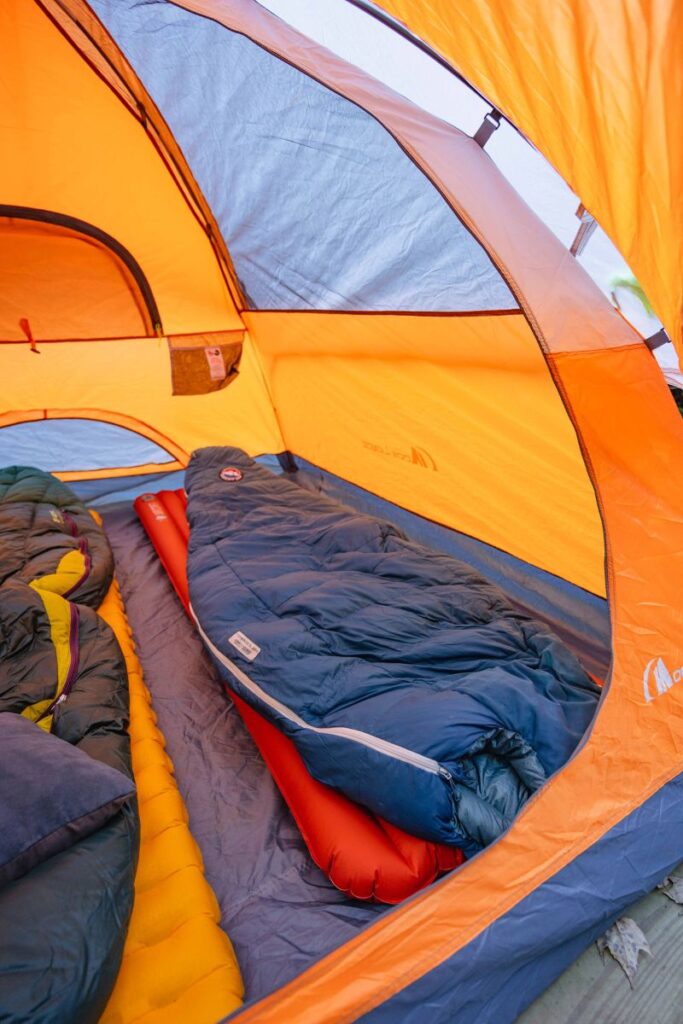
Image Source: www.madelyneonthemove.com
Planning for a Warm Camping Trip
Before you even think about packing, good planning is key. Where and when you camp can make all the difference.
Choosing the Right Campsite
- Elevation Matters: Lower elevations are generally warmer than higher ones. Check the weather forecast for your specific campsite.
- Shelter from the Wind: Look for campsites that are sheltered by trees, rocks, or hills. Wind can quickly sap your body heat.
- Sun Exposure: In colder months, a campsite that gets morning sun can help warm things up early in the day.
Checking the Weather Forecast
- Be Prepared for the Worst: Weather can change rapidly, especially in the mountains. Always check the forecast before you go and be prepared for colder temperatures than predicted.
- Pay Attention to Wind Chill: Wind chill can make temperatures feel significantly colder. Factor this into your clothing and gear choices.
Gear for Cold Weather Camping
Having the right gear is essential for staying warm. Don’t skimp on quality when it comes to items like your sleeping bag and tent.
Sleeping Bags: Your Warmth Headquarters
- Sleeping Bag Temperature Rating: This is crucial! Choose a bag rated for temperatures lower than you expect to encounter. If you anticipate temperatures around 30°F, consider a bag rated for 20°F or even lower.
- What is a comfort rating? It’s the lowest temperature at which the average woman would feel comfortable in the sleeping bag. Men usually run warmer and can use the lower limit.
- Fill Type:
- Down: Lightweight and highly compressible, offering excellent warmth for its weight. However, down loses its insulation when wet.
- Synthetic: More affordable and retains its warmth even when wet. A good choice if you expect damp conditions.
- Sleeping Bag Shape:
- Mummy Bags: Offer the best heat retention due to their snug fit.
- Rectangular Bags: More spacious but less efficient at trapping heat.
- Sleeping Bag Liners: Add an extra layer of warmth and can also help keep your sleeping bag clean. Silk or fleece liners are good options.
Tents: Your Protective Shelter
- Four-Season Tents: Designed to withstand harsh weather conditions, including snow and strong winds. They have more robust construction and better tent insulation techniques.
- What is a four-season tent? It’s built to handle snow, wind, and cold temperatures.
- Three-Season Tents: Lighter and more breathable, suitable for milder conditions. If you’re camping in cold weather, look for a three-season tent with good wind resistance.
- Tent Size: A smaller tent will generally be warmer than a larger one because there’s less air to heat. Avoid using a tent that is much larger than you need.
Sleeping Pads: Insulation from the Ground
- R-Value: This measures a sleeping pad’s ability to resist heat flow. The higher the R-value, the better the insulation. For cold weather camping, choose a pad with an R-value of 4 or higher.
- Types of Sleeping Pads:
- Closed-Cell Foam Pads: Affordable, durable, and provide good insulation, even when wet.
- Inflatable Pads: More comfortable and compact than foam pads. Look for models with built-in insulation.
- Self-Inflating Pads: A combination of foam and inflatable, offering a good balance of comfort and insulation.
Clothing: Layering for Warmth Camping
Layering allows you to adjust your clothing to changing conditions.
- Base Layer: Worn next to your skin, should be moisture-wicking to keep you dry. Merino wool or synthetic fabrics are good choices.
- What are good base layer materials? Merino wool, synthetic materials like polyester, and silk.
- Mid-Layer: Provides insulation. Fleece or down jackets are excellent mid-layers.
- Outer Layer: Protects you from wind and rain. A waterproof and windproof jacket and pants are essential.
- Hats and Gloves: You lose a significant amount of heat through your head and hands. Always wear a hat and gloves in cold weather.
- Socks: Wool or synthetic socks will keep your feet warm and dry. Bring extra pairs in case they get wet.
Other Important Gear
- Headlamp or Flashlight: Essential for navigating around the campsite in the dark.
- Insulated Water Bottle: Keeps your water from freezing.
- Camp Stove: For cooking hot meals and boiling water.
- First-Aid Kit: In case of emergencies.
- Hand and Foot Warmers: Provide extra warmth when needed.
- Best camping blankets for cold weather: Wool blankets provide excellent warmth and are durable.
Tent Insulation Techniques
Even with the right gear, tent insulation techniques are important for trapping heat inside your tent.
Ground Sheet or Footprint
- Why use a ground sheet? It provides a barrier between your tent floor and the cold ground. Prevents moisture from seeping into your tent.
- Material: Choose a waterproof ground sheet that is slightly smaller than your tent floor to prevent rainwater from collecting underneath.
Insulating the Tent Floor
- Foam Tiles: Interlocking foam tiles can be placed under your sleeping pad for added insulation.
- Blankets or Rugs: Placing blankets or rugs on the tent floor can help trap heat and make the space more comfortable.
Covering Tent Walls
- Emergency Blankets: Reflective emergency blankets can be hung on the inside of your tent walls to reflect heat back into the space.
- Extra Blankets: Drape blankets over the tent walls for added insulation.
Reducing Drafts
- Close Vents: In very cold weather, close vents to prevent drafts. However, ensure adequate ventilation to prevent condensation.
- Seal Gaps: Use tape or cloth to seal any gaps around the tent door or windows.
Staying Warm While Camping: Practical Tips
Beyond gear and insulation, these practical tips will help you stay warm.
Stay Hydrated and Eat Well
- Eat High-Energy Foods: Your body needs fuel to generate heat. Eat foods high in calories and fat, such as nuts, chocolate, and cheese.
- Drink Warm Beverages: Hot drinks like tea, coffee, or cocoa can help raise your body temperature.
- Avoid Alcohol and Caffeine: These can dehydrate you and interfere with your body’s ability to regulate temperature.
Before Bed Routine
- Do Some Exercise: A few jumping jacks or push-ups before getting into your sleeping bag can help warm you up.
- Warm Up Your Sleeping Bag: Fill a water bottle with hot water and place it in your sleeping bag a few minutes before you get in.
- Wear Dry Clothes: Never sleep in damp or sweaty clothes. Change into a dry base layer before bed.
During the Night
- Adjust Your Clothing: If you start to feel too cold, add more layers. If you start to sweat, remove a layer to prevent moisture buildup.
- Use a Nalgene Bottle as a Heater: Before going to sleep, boil water and pour it into a Nalgene bottle (make sure it is Nalgene brand or a similar heat-resistant bottle). Seal it tightly and wrap it in a sock or towel to prevent burns. Place it in your sleeping bag to act as a mini-heater.
- Ventilation: While you want to keep heat inside, proper ventilation is crucial to avoid condensation.
Tent Heater Safety
Using a tent heater can be an effective way to warm up your tent, but safety is paramount.
- Only Use Heaters Designed for Tents: These heaters are specifically designed with safety features like tip-over switches and low-oxygen sensors.
- What are the types of tent heaters? Propane, butane, and electric heaters.
- Carbon Monoxide Detector: Always use a carbon monoxide detector when using a heater inside a tent. Carbon monoxide is a colorless, odorless gas that can be deadly.
- Ventilation: Ensure adequate ventilation to prevent carbon monoxide buildup.
- Keep Away from Flammable Materials: Keep the heater away from sleeping bags, clothing, and other flammable materials.
- Never Leave Unattended: Never leave a heater running unattended while you are sleeping or away from the tent.
- Tent heater safety is crucial. Only use heaters specifically designed for tent use.
Portable Camping Heater Alternatives
If you’re concerned about the safety of tent heaters, there are several portable camping heater alternatives.
- Buddy Heater: A popular choice, propane-powered and designed for indoor use.
- Battery-Powered Fans: Circulate air and can make a small tent feel warmer.
- Hot Water Bottle: As mentioned earlier, a safe and effective way to warm up your sleeping bag.
- Hand and Foot Warmers: Provide targeted warmth where you need it most.
Dealing with Condensation in Tent Camping
Condensation can be a problem in cold weather camping. Moisture from your breath and sweat can condense on the inside of the tent, making your gear damp and cold.
- Ventilation is Key: Open vents to allow moisture to escape.
- Dry Out Your Gear: If your gear gets wet, try to dry it out as soon as possible. Hang it in the sun or near a fire.
- Wipe Down Tent Walls: Use a cloth to wipe down the inside of the tent walls in the morning to remove condensation.
- Store Gear Properly: Keep your sleeping bag and clothing in waterproof bags to protect them from moisture.
Winter Camping Tips and Tricks
Here are a few extra tips and tricks for winter camping.
- Practice Setting Up Your Tent: Before you go, practice setting up your tent in your backyard or a park. This will help you become familiar with the process and make it easier to set up in the cold.
- Bring a Shovel: A shovel is essential for clearing snow from your campsite and digging a trench around your tent to divert water.
- Insulate Your Water Bottles: Use insulated water bottle carriers or wrap your water bottles in socks to prevent them from freezing.
- Store Boots Inside the Tent: Bring your boots inside the tent overnight to prevent them from freezing.
- Take Care of Your Electronics: Cold temperatures can drain batteries quickly. Keep your electronics warm by storing them in your sleeping bag or an inside pocket.
Frequently Asked Questions (FAQ)
- Can I use a regular heater in my tent? No. Only use heaters specifically designed for tent use with safety features like tip-over switches and low-oxygen sensors.
- What is the best way to stay warm in a tent without electricity? Layer clothing, use a sleeping bag with a low-temperature rating, insulate your tent, and use a hot water bottle to warm your sleeping bag.
- How do I prevent condensation in my tent? Ensure adequate ventilation by opening vents and wiping down tent walls.
- What is the ideal sleeping bag temperature rating for cold weather camping? Choose a bag rated for temperatures lower than you expect to encounter. If you anticipate temperatures around 30°F, consider a bag rated for 20°F or even lower.
- What is the R-value of a good sleeping pad for winter camping? For cold weather camping, choose a pad with an R-value of 4 or higher.
- How can I make my tent warmer? There are various tent insulation techniques to make your tent warmer, including a ground sheet, foam tiles, emergency blankets and sealing gaps.
Staying warm while tent camping is all about being prepared. By choosing the right gear, using smart tent insulation techniques, and following these practical tips, you can enjoy a comfortable and safe camping experience, even in cold weather.

My name is Gareth Lewis, and I’m the voice behind CampingGuider.com.. I created this space to share my passion for camping and the great outdoors. With years of experience and countless adventures under my belt, I aim to inspire and guide fellow enthusiasts. Whether you’re a seasoned camper or a curious beginner, my goal is to provide you with practical tips, honest reviews, and insights to help you make the most out of your outdoor escapades. Join me on this journey, and let’s explore the beauty of nature together!