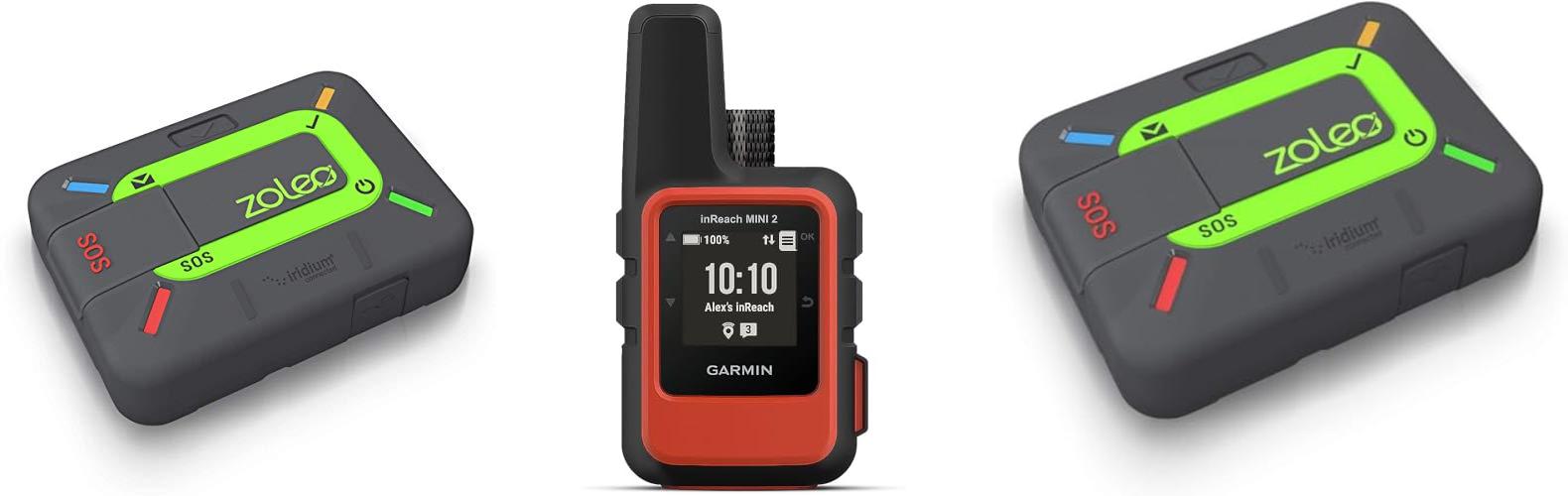
Imagine this: you’re deep in the wilderness, surrounded by stunning views, but your phone has no signal. What if something goes wrong? How do you call for help? This is where a hiking satellite communicator becomes your best friend.
Choosing the right satellite communicator can feel overwhelming. There are so many features and brands! You want one that’s reliable, easy to use, and fits your budget. You don’t want to be stuck in an emergency without a way to reach out.
In this post, we’ll break down what to look for in a hiking satellite communicator. We’ll explain the key features and help you understand which one is best for your adventures. Get ready to hike with more confidence and peace of mind.
Let’s dive into the world of satellite communication and find the perfect device to keep you safe on your next trek.
Our Top 5 Hiking Satellite Communicator Recommendations at a Glance
Top 5 Hiking Satellite Communicator Detailed Reviews
1. ZOLEO Satellite Communicator – Two-Way Global SMS Text Messenger & Email
Rating: 9.2/10
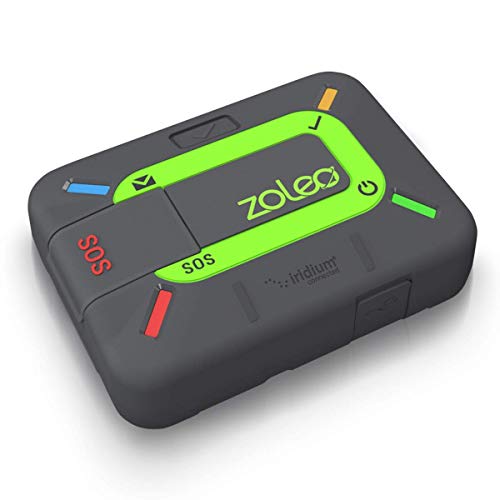
The ZOLEO Satellite Communicator is a game-changer for anyone who ventures off the beaten path. This tough little device lets you text and email from almost anywhere on Earth, using your smartphone. It connects through satellites, so even if there’s no cell service, you can still stay in touch.
What We Like:
- Global satellite messaging keeps you connected everywhere.
- It sends emergency SOS alerts with your exact location.
- You get a dedicated SMS number and email for easy contact.
- Check-ins are unlimited and included in the plan.
- It’s super rugged (IP68) and has a long battery life (over 200 hours).
- Monthly plans start at a low $20.
- It supports weather forecasts and long messages (900 characters).
- Optional travel risk management coverage is available for extra peace of mind.
What Could Be Improved:
- Location sharing at regular intervals is an optional add-on, not included.
- While affordable, a service plan is still required for operation.
The ZOLEO Satellite Communicator offers reliable communication and safety features for adventurers. It’s a smart investment for staying connected and safe when you’re exploring the wild.
2. Garmin inReach Mini 2

Rating: 8.9/10
The Garmin inReach Mini 2 is a tiny but mighty tool for anyone who adventures beyond cell service. This orange satellite communicator is super light and small, making it easy to carry on any hike, climb, or paddle. It lets you send messages and get help anywhere in the world, as long as you have a satellite subscription. Plus, it’s water-resistant, so you don’t have to worry about rain or splashes.
What We Like:
- It’s really compact and light, so it won’t weigh you down.
- You can send messages and trigger an SOS from almost anywhere on Earth.
- The TracBack routing feature helps you find your way back to your starting point.
- You can share your location with friends and family so they know you’re safe.
- The digital compass gives you accurate directions even when you stop.
- It connects to the Garmin Explore app for planning trips and seeing maps.
- You can also pair it with other Garmin devices like watches.
- The battery lasts up to 14 days when tracking every 10 minutes.
What Could Be Improved:
- You need an active satellite subscription for most features to work.
- Some places have rules about using satellite communication devices.
The Garmin inReach Mini 2 is a fantastic safety companion for outdoor enthusiasts. It gives you peace of mind knowing you can stay connected and get help when you need it most.
3. ZOLEO Satellite Communicator – Two-Way Global SMS Text Messenger & Email

Rating: 8.6/10
Explore the world without losing touch with the ZOLEO Satellite Communicator. This renewed device lets you send text messages and emails anywhere, even when you have no cell service. It’s a reliable way to stay connected and get help if you need it.
What We Like:
- Global Messaging: Send texts and emails using satellites, cellular, or Wi-Fi. It picks the cheapest option.
- Emergency SOS: Get help fast with an SOS alert and your location sent to a 24/7 monitoring center. You can also get medical help for non-emergencies.
- Dedicated SMS Number: Your contacts get a special ZOLEO number and email to reach you.
- Check-ins and Location Sharing: Send unlimited check-ins and share your GPS location.
- Tough and Long-Lasting: It’s built tough (IP68-rated) and has over 200 hours of battery life.
- Affordable Plans: Start service for as low as $20 a month, including unlimited SOS and check-ins.
- Extra Features: Get weather forecasts, share your device easily, and send longer messages (900 characters).
- Certified Refurbished: This device is checked and comes with a 1-year warranty, giving you peace of mind.
What Could Be Improved:
- Optional Add-on for Frequent Location Sharing: Sharing waypoints at regular intervals requires an extra cost.
The ZOLEO Satellite Communicator is a smart choice for anyone who adventures off the beaten path. It offers essential safety features and reliable communication at a great value.
4. Spot Gen 4 Satellite GPS Messenger

Rating: 9.0/10
The SPOT Gen4 Satellite GPS Messenger is your reliable companion for any adventure where cell service disappears. This handheld device ensures you can always stay connected, whether you’re hiking remote trails, camping deep in the woods, or exploring off the beaten path. It’s designed to keep you safe and your loved ones informed, no matter how far you roam from civilization.
What We Like:
- Keeps you connected when there’s no cell service.
- Lets you send your location to family so they know you’re okay.
- The SOS button alerts emergency responders to your exact GPS location.
- The Tracking feature updates your location as you move.
- It’s portable and easy to carry on any trip.
- Comes with a strap and carabiner for convenient attachment.
- Includes batteries and a quick start guide to get you going.
What Could Be Improved:
- A subscription is required to use the device.
- Two service plans are available, which might require careful consideration.
The SPOT Gen4 offers essential safety and communication for outdoor enthusiasts. It provides peace of mind by ensuring you can reach out for help or simply let others know you’re safe, even in the most remote locations.
5. Motorola Defy Satellite Link – Rugged Handheld GPS Communicator

Rating: 8.9/10
The Motorola Defy Satellite Link is a rugged gadget that keeps you connected even when you’re far from cell towers. It’s a two-way messenger that lets you send texts and alerts globally, all from a device that works with your smartphone. This communicator is built tough for adventures and offers peace of mind with its emergency features.
What We Like:
- It offers reliable satellite coverage, so you stay in touch no matter where you are.
- You can send and receive text messages anywhere in the world.
- The emergency SOS alert feature lets you signal for help without needing a phone signal.
- Sending your location or a quick message to loved ones is easy with the check-in button.
- It’s compatible with most recent Android and iOS phones.
- Service plans are affordable, starting at just $4.99 a month for SOS.
- Every plan includes unlimited SOS alerts.
What Could Be Improved:
- A service plan is required to use the device’s messaging and SOS features.
This device is a fantastic tool for anyone who loves the outdoors or works in remote areas. It provides essential communication and safety features, making it a worthwhile investment for staying connected and secure.
Your Guide to Hiking Satellite Communicators
Heading out on a hike is a fantastic way to connect with nature. But what happens if you get lost or need help when you’re far from cell service? That’s where a hiking satellite communicator comes in. These handy devices let you send messages and your location to others, even in the wilderness. Let’s explore what you should look for when choosing one.
1. Key Features to Look For
Emergency SOS Button
This is the most important feature. It sends an immediate alert to a professional emergency response center. They can then help you get the assistance you need.
Two-Way Text Messaging
Being able to send and receive text messages is crucial. This allows you to communicate with friends, family, or even search and rescue teams. You can let them know your situation and provide updates.
Location Tracking (GPS)
A built-in GPS tracks your location. This information is sent with your messages, so people know exactly where you are. Some devices offer pre-set check-in messages with your location.
Weather Forecasts
Knowing the weather ahead can help you plan your hike. Many satellite communicators offer basic weather updates, which can be a lifesaver.
Durability and Waterproofing
Your communicator will be out in the elements. It needs to be tough and able to withstand rain, dust, and drops.
2. Important Materials
Most satellite communicators are built with rugged materials to handle outdoor conditions. You’ll often find them made from strong plastics like polycarbonate. These materials are lightweight but very durable. They also resist damage from bumps and scrapes. Look for devices with rubberized grips. These make them easier to hold, especially with gloves on.
3. Factors That Improve or Reduce Quality
Signal Strength
The ability to get a clear satellite signal is key. Devices with better antennas usually offer stronger signals. Obstructions like dense trees or canyons can affect signal quality.
Battery Life
Long battery life is essential for multi-day hikes. Some devices can last for weeks on a single charge. Others might need charging every few days, depending on usage. Solar charging capabilities can be a big plus.
Ease of Use
A complicated device won’t help you in an emergency. Look for a communicator with simple buttons and a clear screen. You should be able to send an SOS or a message quickly.
Subscription Service
Most satellite communicators require a subscription plan to work. These plans vary in cost and what they include. Some offer unlimited messaging, while others have a set number of messages per month. Compare plans to find one that fits your needs.
4. User Experience and Use Cases
Using a satellite communicator is straightforward. You turn it on, and it connects to the satellite network. For emergencies, you press the SOS button. For regular communication, you use the text messaging feature. You can send pre-written messages or type your own. These devices are perfect for hikers, backpackers, climbers, and anyone who ventures into areas without cell service.
Imagine you’re on a solo backpacking trip and twist your ankle. You can use your communicator to send an SOS with your exact location. Your family gets the alert and can contact emergency services for you. Or, maybe you’re running late and want to let your hiking partners know you’ll be a bit behind schedule. You can send them a quick text message.
Choosing the right satellite communicator gives you peace of mind and ensures you can stay connected when it matters most.
Frequently Asked Questions (FAQs)
Q: What is a hiking satellite communicator?
A: It’s a device that lets you send and receive messages using satellites when you don’t have cell service.
Q: Do I need a subscription to use a satellite communicator?
A: Yes, most satellite communicators require a monthly or annual subscription to access the satellite network.
Q: Can I use a satellite communicator to call for help?
A: While some devices have SOS features that contact emergency services, most use text-based messaging for communication.
Q: How far can I send a message with a satellite communicator?
A: Messages can be sent anywhere in the world where the device has a clear view of the sky, as they communicate with satellites.
Q: Are satellite communicators waterproof?
A: Many are water-resistant or waterproof, but it’s important to check the specific IP rating of the device.
Q: How long does the battery last on a satellite communicator?
A: Battery life varies greatly, with some lasting a few days and others lasting several weeks depending on usage.
Q: Can I track my hike with a satellite communicator?
A: Yes, most have built-in GPS that tracks your location and can share it with others.
Q: What’s the difference between a satellite messenger and a satellite phone?
A: Satellite phones allow for voice calls, while satellite messengers are primarily for text messages and SOS alerts.
Q: Is a satellite communicator difficult to use?
A: Most are designed to be user-friendly, with simple buttons and clear instructions, especially for sending SOS alerts.
Q: Where can I buy a hiking satellite communicator?
A: You can find them at outdoor gear stores, electronics retailers, and online through various websites.
In conclusion, every product has unique features and benefits. We hope this review helps you decide if it meets your needs. An informed choice ensures the best experience.
If you have any questions or feedback, please share them in the comments. Your input helps everyone. Thank you for reading.

My name is Gareth Lewis, and I’m the voice behind CampingGuider.com.. I created this space to share my passion for camping and the great outdoors. With years of experience and countless adventures under my belt, I aim to inspire and guide fellow enthusiasts. Whether you’re a seasoned camper or a curious beginner, my goal is to provide you with practical tips, honest reviews, and insights to help you make the most out of your outdoor escapades. Join me on this journey, and let’s explore the beauty of nature together!